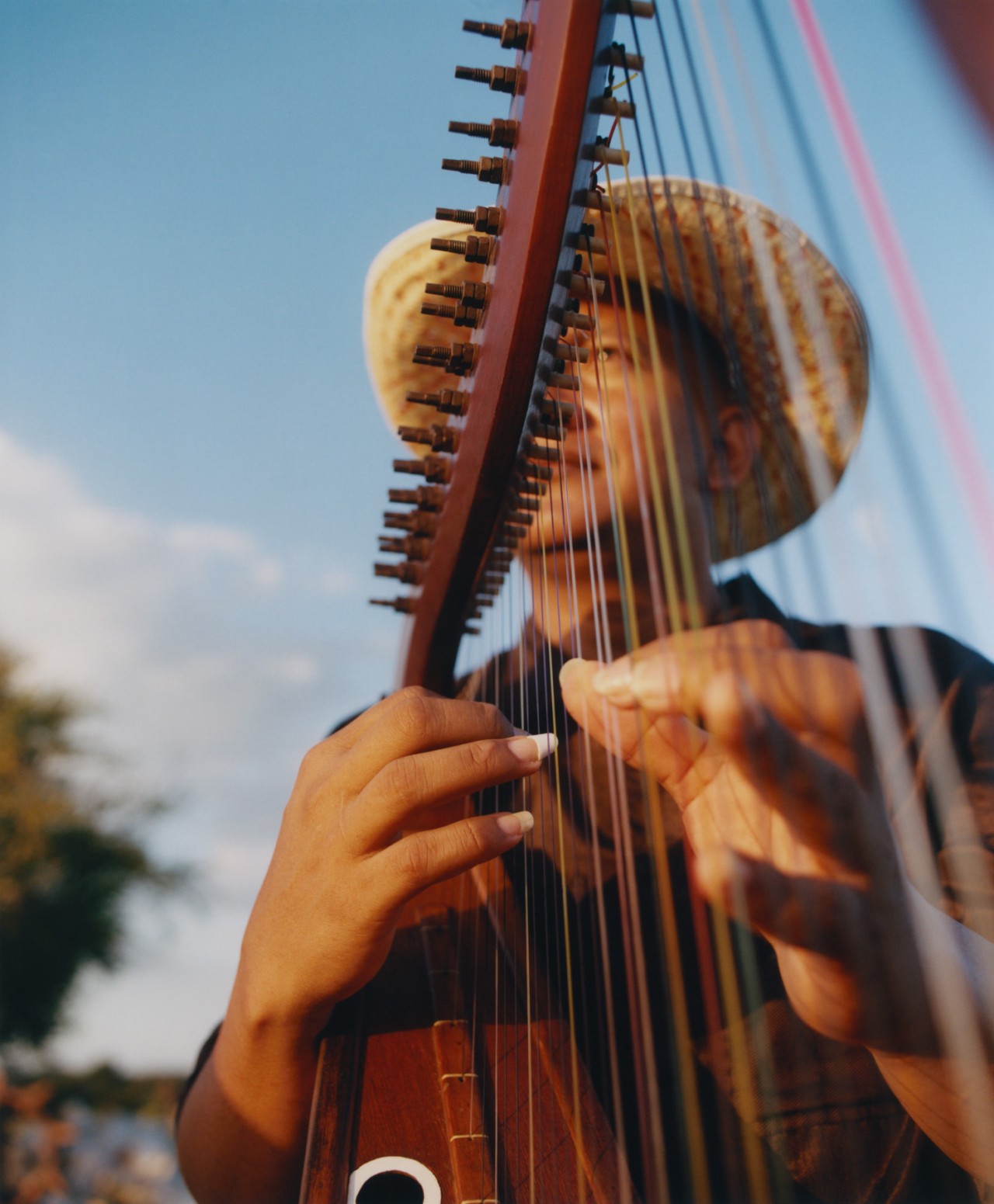
Gotopo’s work brings Venezuelan Afro-Indigenous memory into Berlin’s electronic scene —
mixing folklore, bass, voice, ritual, and club energy.
roots
ancestral sound, future body
Gotopo’s music combines
folkloric instruments, electronic beats, voice, rhythm, and movement.
berlin
the club as ceremony
In Berlin, rave culture becomes a space where sound can feel spiritual,
physical, and political all at once.
diaspora
not just nostalgia
Her music carried Venezuela forward,
transforming tradition into something alive and experimental.
about gotopo + venezuelan folk sound
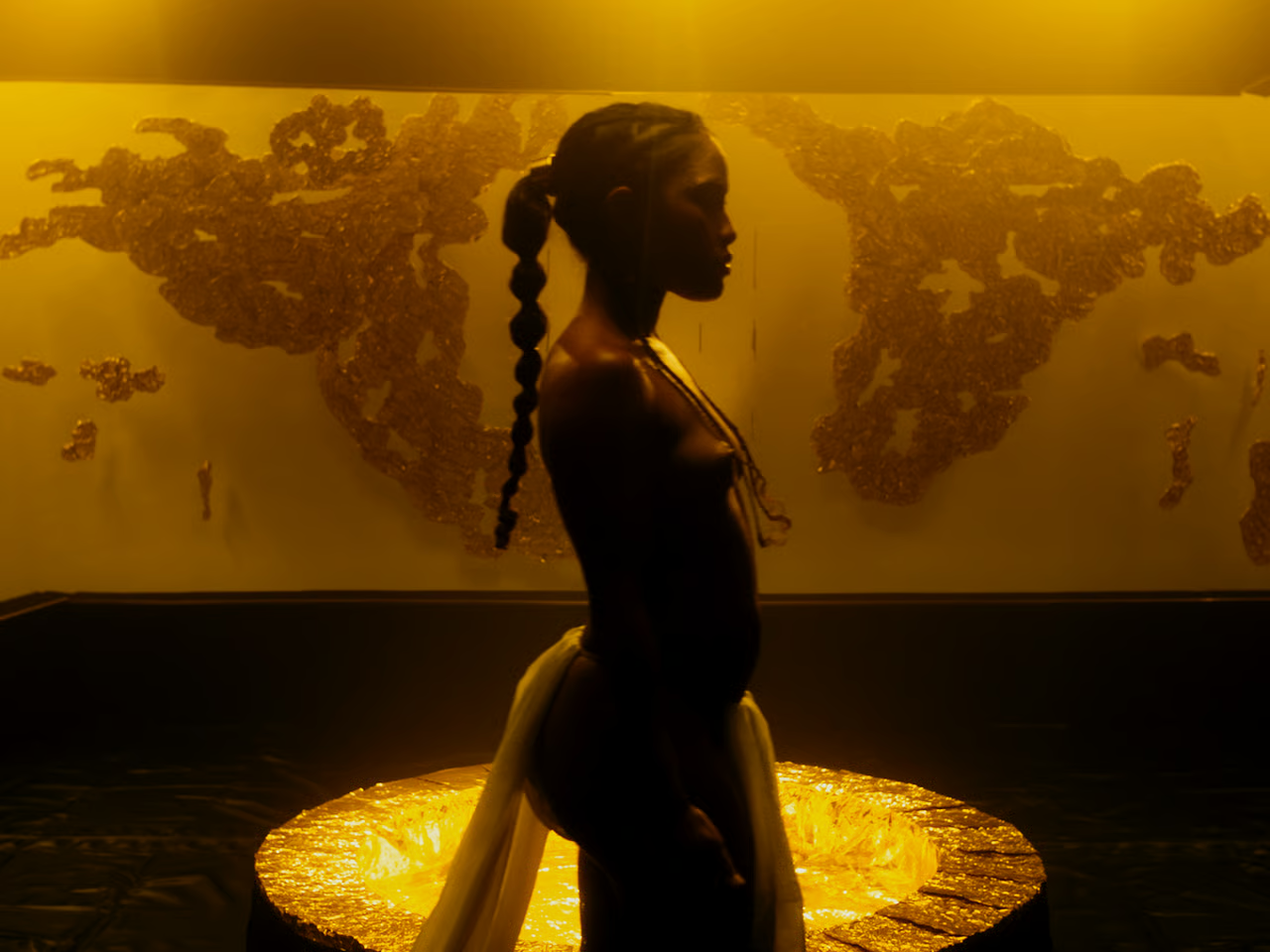
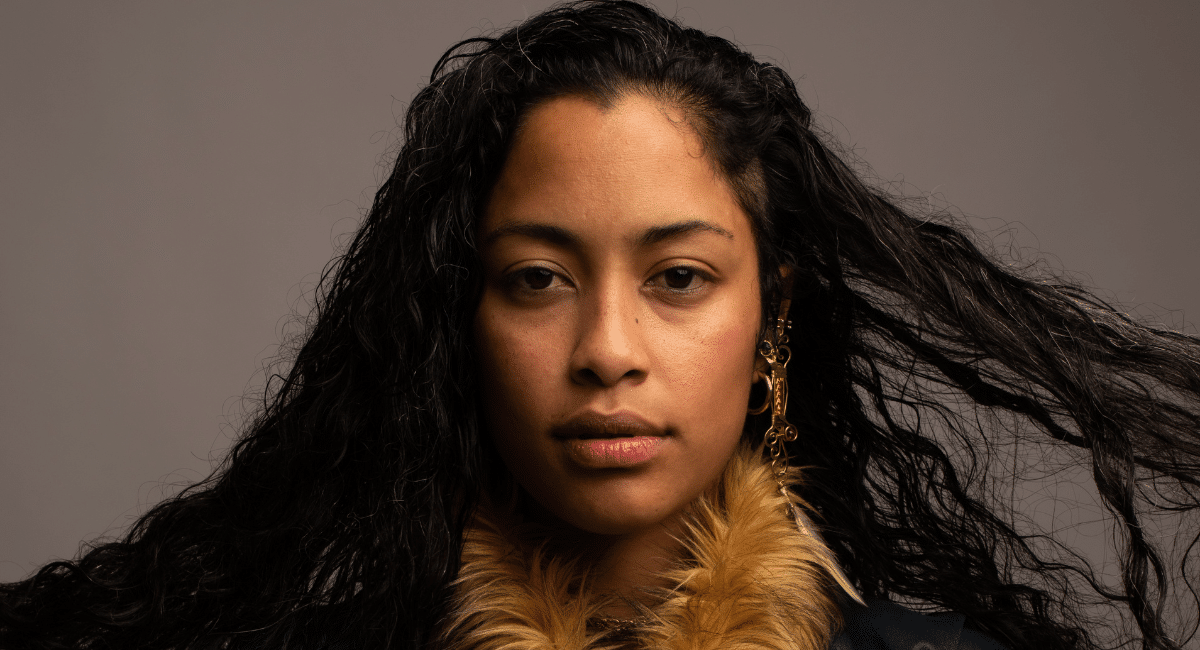
Gotopo is a Venezuelan-born, Berlin-based singer, composer, producer, and performer.
Her work combines Afro-Indigenous heritage, folkloric stringed instruments,
techno-inspired music, and performance. Her website describes her sound as
“Ancestral Futurism meets Club Resistance.”
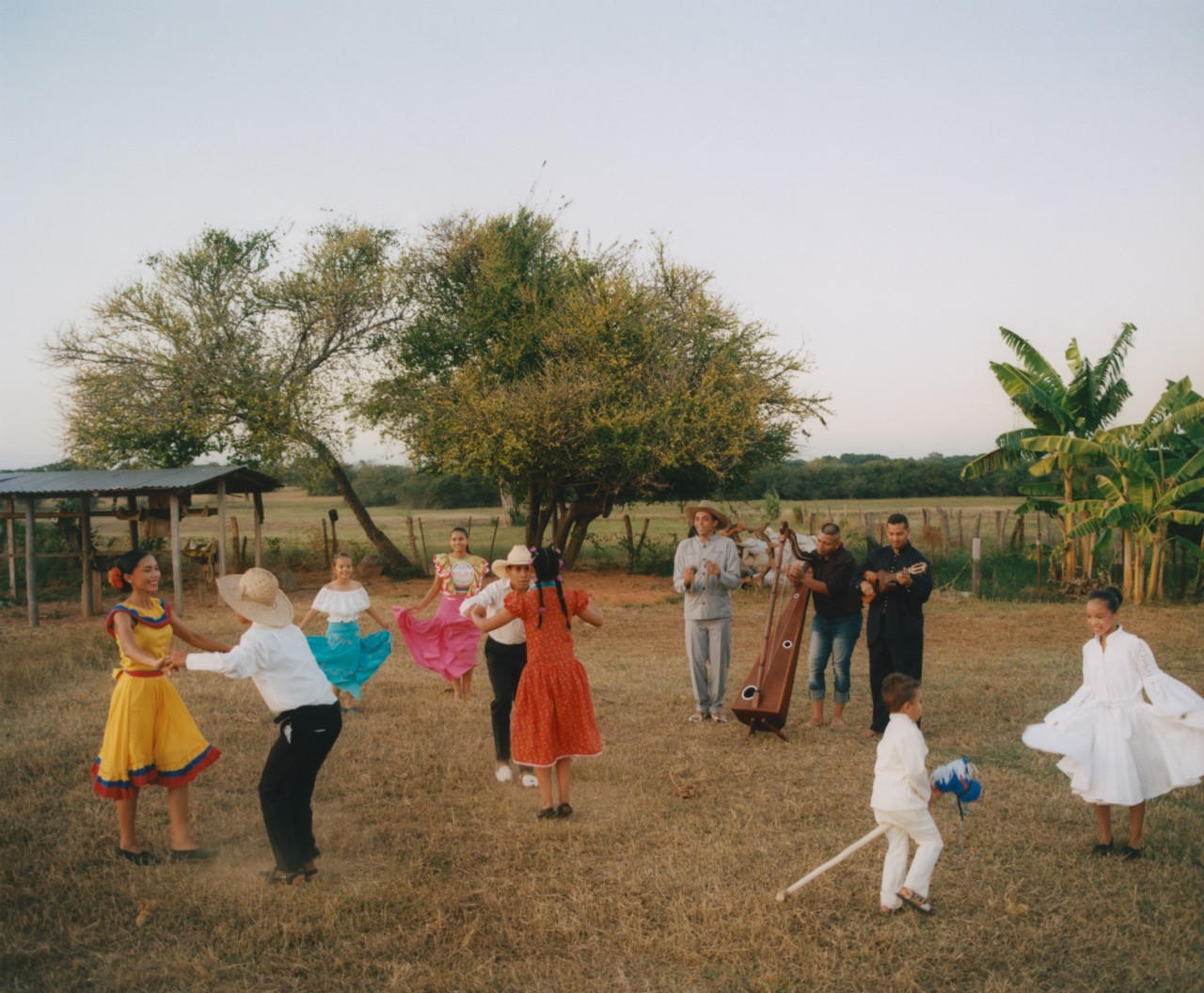
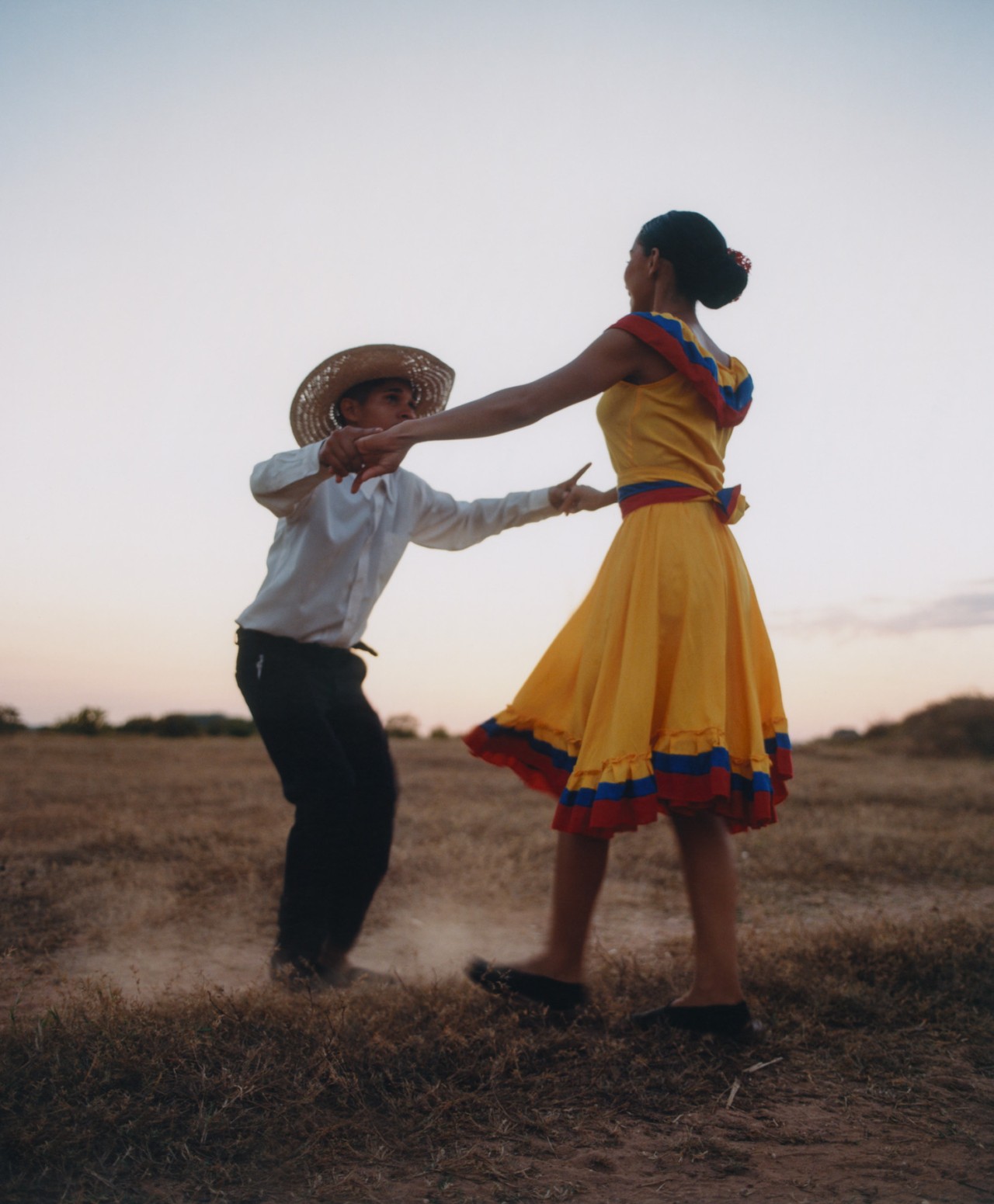
This connects to Venezuelan folk traditions like joropo, also called
música llanera, a style of music and dance from the plains of Venezuela
and Colombia. Atmos describes joropo as music shaped by the land itself: the rhythm
of daily life, the sound of celebrations, and a way of honoring nature, horses,
rivers, and the open plains.
Traditional música llanera often uses instruments like the cuatro, harp, bandola,
and maracas. In Gotopo’s work, those kinds of ancestral and folkloric references
are not treated like museum objects. They are pulled into Berlin’s electronic world,
where bass, club rhythm, and performance turn folk memory into something futuristic.
For this project, Gotopo represents another way diaspora holds memory.
Instead of preserving culture exactly as it was, her music shows how roots can move,
change, and become louder in a new place.
sound archive
Two sounds that shape this page: one from Gotopo’s electronic/ancestral world,
and one from traditional música llanera.
track 01
Gotopo
Venezuelan roots, voice, electronic rhythm, and Berlin club energy.
track 02
Música llanera
Traditional Venezuelan folk sound connected to the plains, cuatro, harp, maracas, and celebration.
interview fragments
Q: How would you describe your music to someone who has never heard it before?
“I would say it sounds like my ancestors walked into a Berlin club and took over the speakers.
There is bass, rhythm, voice, sweat, memory, and celebration. It is something you feel in your body.”
Q: What does it mean to bring Venezuelan and Afro-Indigenous sounds into electronic music?
“For me, it means those sounds are not stuck in the past. Folklore is alive.
It can be loud, experimental, sexy, political, spiritual. It can exist in a club in Berlin
and still carry Venezuela inside it.”
Q: Did Berlin change your relationship to Venezuelan music?
“Yes. Being far away made me listen differently. In Venezuela, some sounds are just around you.
But when you leave, you start noticing what you miss, what shaped you, what stayed in your body.
Berlin gave me space to rebuild those sounds in my own way.”
Q: How does the Berlin club scene connect with ancestral rhythm?
“The club can feel like a ritual. People gather, repeat movements, follow rhythm, lose track of time.
That is not so far from older forms of music and ceremony. The sounds are different,
but the need to gather and move together is very human.”
Q: Do you feel like music helps you stay connected to Venezuela?
“Yes, but not by copying it exactly. I am not trying to recreate home perfectly.
I am carrying pieces of it, rhythms, memories, stories, voices, and letting them become something new.”
Q: What role does the body play in your music?
“The body remembers things before we have words for them. Sometimes rhythm can hold pain,
joy, resistance, and freedom all at once. That is why dancing matters.
It is not just fun but it is a way of releasing and remembering.”
Q: How do you think about tradition?
“Tradition is not a museum. It is alive. It changes with us.
If we treat it like something frozen, it becomes distant. But if we let it move,
it can survive in a new form.”
Q: What do you hope people feel when they hear your music?
“I hope they feel awake. I hope they feel something ancient and something futuristic at the same time.
I want people to dance, but also to feel that music carries history.”